Case Study: How One Crucial Data Pivot Saved a Fractured Pipeline Without a Redesign
What actually fixed a dying pipeline — a new website, or a different diagnosis? It wasn’t the website. Here’s the real case study, and it’s the same pattern we map out in The Funnel Repair Manual.
The business came to us on the verge of scrapping their entire inbound marketing spend. They were pouring capital into paid search campaigns, capturing hundreds of leads per month, but closing near zero. Their previous consultant blamed the ad targeting, insisting they needed a complete brand overhaul and an expensive web redesign project.
We stopped the creative overhaul immediately. Instead of rewriting landing page copy or changing graphics, we integrated our core diagnostic tools to trace the exact behavioral movement of their incoming prospects — the same 3-checkpoint diagnostic protocol we run on every audit. The results proved that their core message wasn’t the issue — their operational execution was severely flawed.
The Pathology of the Delayed Response
When we ran our initial diagnostic protocols, we discovered that while the company’s opt-in forms worked seamlessly, incoming notifications were sent to a shared corporate email address. Sales reps routinely took anywhere from three to twelve hours to pick up those records and make contact. By that point, the hot prospect had already moved on, rendering the lead completely unresponsive.
This delay is the exact reason we see countless high-ticket leads going cold daily. Inbound web prospects have incredibly short attention spans; they expect an immediate response, not a delayed follow-up call half a business day later.
Rebuilding the Follow-Up System
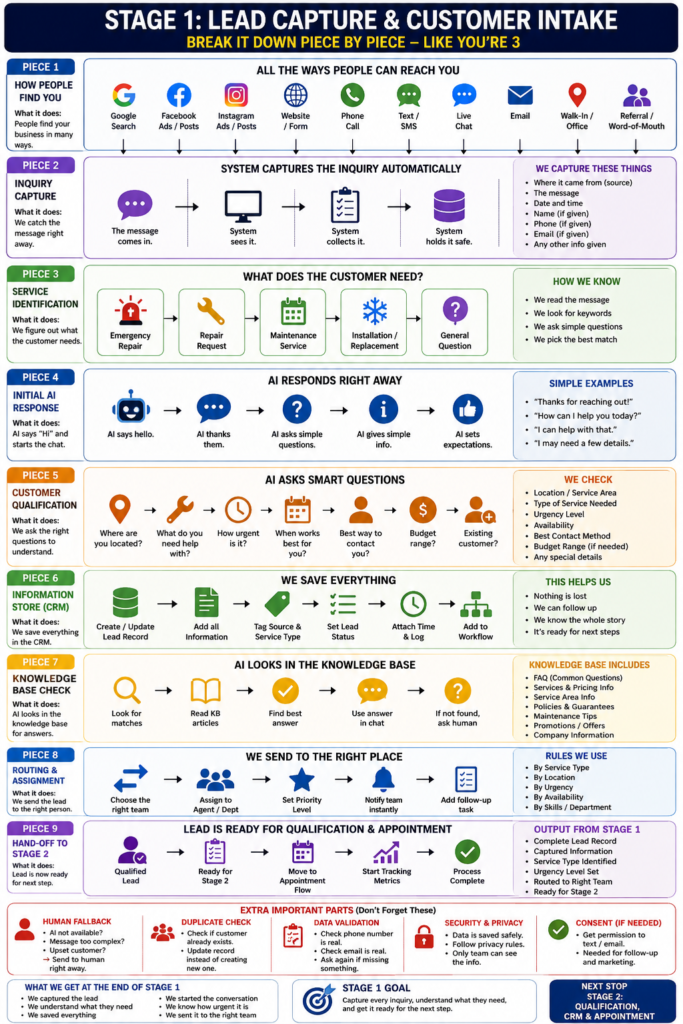
Rather than redesigning the website, we engineered a high-speed, automated response network directly into their current layout. We deployed direct webhook links that instantly triggered SMS outreach to the prospect within forty-five seconds of submission, coupled with automated internal phone routing that connected an active sales rep to the opportunity immediately.
By shifting focus toward a highly structured, automated follow-up system, the company transformed its conversion baseline without spending a single dollar on new ad creative or complex web rebuilds. The sales pipeline immediately stabilized, showing that operational tracking will outperform creative guessing every day of the week.
Speed of delivery and automated tracking are the primary drivers of real conversion growth — not another redesign.
This transformation reflects the pattern we see across major industry research: speed of delivery and automated tracking mechanisms consistently outperform cosmetic changes as drivers of real conversion growth. It’s the same conclusion we walked through in The Guesswork Tax — a redesign only fixes what a diagnosis actually finds.
The Hard Realities of Conversion Architecture
Stop looking for answers in cosmetic redesigns. If your backend infrastructure is slow and unmonitored, more web traffic will only accelerate your losses — the same trap covered in Blind Funnel Fixes, where rising traffic numbers masked the same operational failure. True pipeline health comes from complete process transparency, automated communication paths, and rapid data deployment. Fix your backend operations first, and your marketing tracking will take care of itself.
This is exactly the kind of fix mapped out checkpoint-by-checkpoint in The Funnel Repair Manual — real diagnosis, not another redesign.