interview

Before we touch a single funnel metric, we have one conversation that shapes everything after it — including the one question that becomes the north star for the entire engagement, and the SOP you walk away with either way.
UNDERSTANDING THE SALES FUNNEL
Every stage of your funnel — awareness, interest, decision, action — has its own reason prospects disappear. Once you know which stage is leaking and why, the fix stops being a guess.
CASE STUDY OF A FRACTURED PIPELINE
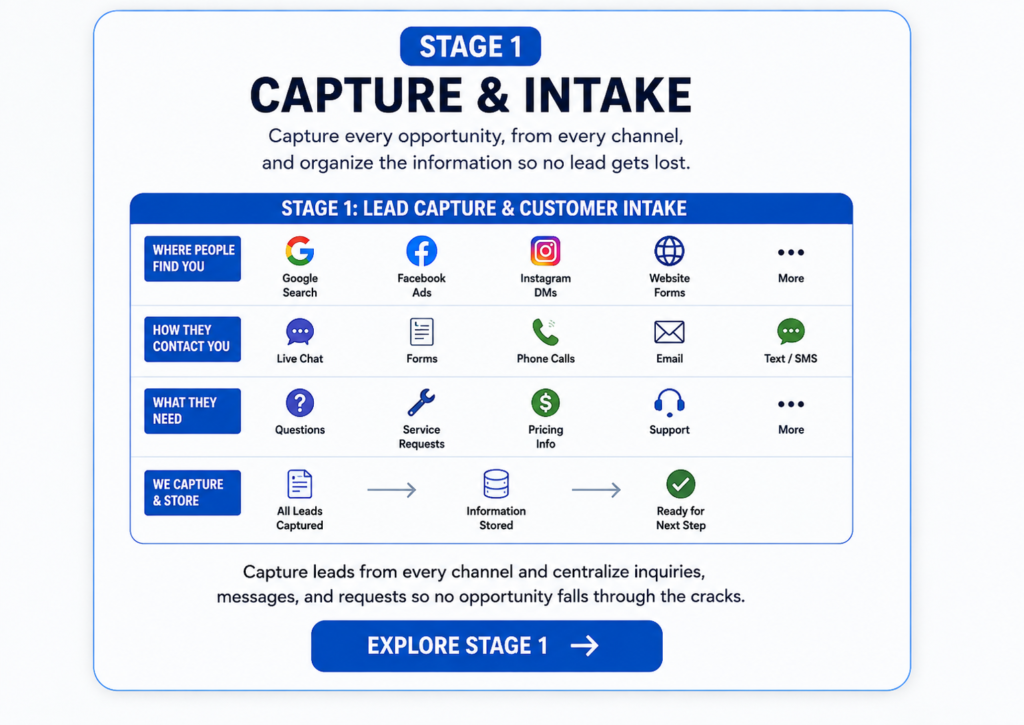
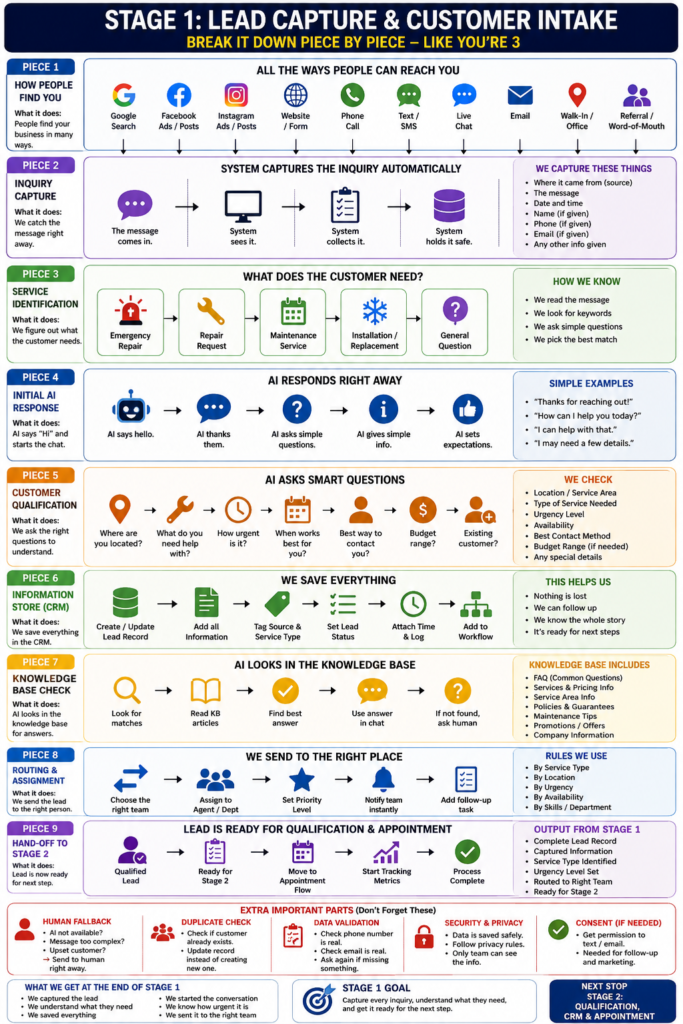
*,*::before,*::after{box-sizing:border-box;margin:0;padding:0;pastedthis iis what i copy from hereVerified artifact source and prepared targeted guidanceVerified artifact source and prepared targeted guidanceYes — that’s exactly the right one. It starts with
Funnel diagnostic checklist
You can’t fix a funnel leak you haven’t measured. This is the exact 3-checkpoint diagnostic protocol we run to pinpoint webhook latency, speed-to-text delays, and agent hand-off failures before touching a single line of copy.
Blnd Funnel Fixes

Your dashboards show rising traffic, leads, and clicks so why isn’t revenue moving? These three “good” numbers are vanity metrics that hide the real operational leaks costing you high-ticket sales.

Search
Recent Posts



Gallery